Overconsumption Online: When Aesthetics Break the Bank
What is "brain-rot" and why should I be concerned?

I have spoken about TikTok’s powerful algorithm before and its use of cookies to determine interests. You can spend hours enthralled, mindlessly scrolling, being constantly stimulated by feeling little sparks of dopamine.
As of July 29, 2024, TikTok had 1.6 billion active users worldwide, making it the fifth most popular social network globally.
Algorithmic affluence
The intoxicating cycle of unlimited tailored content makes this app a virtual goldmine for marketing. Every other TikTok includes content “suggesting” products that will “change your life”. The money from promoting unnecessary products to teenagers is one of the reasons why TikTok influencers exist. In the early days of TikTok (when it transitioned from Musically), online “trends” were usually dances to popular songs. This is no longer the case however: brands will offer sponsorships to creators with large followings, giving them a percentage of sales profits or paying them per a thousand+ views.

57.2% of TikTok users are between the ages of 18 and 24, with 25% of active users in the US being aged 10–19.
The T&C’s of the app say that creators must let viewers know if the content was sponsored, or features sponsored products, by selecting the content disclosure setting. The penalties for ignoring this state video removal or restriction. However, as someone who uses the platform, I can safely say that it is not uncommon for videos to be blatantly advertising something and unrestricted, despite no warning of paid promotion.
The quick-fix video format means that both creators and products are unreliable. For example, if someone said, “This product made my hair from this [insert ugly ‘before’ image] to this [insert model hair] in two weeks”, you’d think they’re crazy. Unfortunately there is no transparency on TikTok and many things are heavily staged and believable to young women.
Let’s have a Brat Summer
Trends catch like wildfire and overconsumption is one of the most mentally taxing scams of today’s generation.
Terms such as “clean-girl style” and “coquette” have plagued user screens for over a year. After dances were no longer the norm, “aesthetics” have taken over, ultimately saying that in order to have the style you must buy these clothes, or these shoes, accessories, or wear your hair a certain way. By all means, some people have found this helpful and fun.
There is a point however where you become a victim of online manipulation; you must buy the trendiest coat, Uggs, Longchamp bag and Charlotte Tilbury makeup.
In case you are curious, I will list some terms, origins and meanings below:
Brat Summer - Originated from Charli XCX’s electronic dance album titled “Brat” which went viral on TikTok. Implies a wild, party-girl experience in the 2000’s style.
Clean-girl Style - Originated from clothing inspirations and influencers. Depicts being well put together, effortless and stylish with focus on neutral colours and expensive bags/footwear. (Note: commonly including gold jewellery.)
Coquette (sometimes called Dollette) - Initially a derogatory term, emphasises gendered fashion by embracing femininity. Soft coquette focuses on light colours, mainly pink or white and includes frills, bows and pearls. Defined online as a feminine perfume-wearer who listens to Lana Del Rey, young, white and skinny. Coquette may also include a sub-style of Vintage Americana Coquette, which involves frill, red gingham and bows.

All of these trends usually promote an aesthetic that extends beyond fashion and into a lifestyle; there is an expectation to change your entire life, your room, fashion, attitude and sometimes diet to fit the trend. It is both expensive and fleeting.
Skincare and standards
The big money-maker comes from skincare and haircare brands marketing to young women and girls on the platform.
If I asked you what kind of skin type you have, you might be a bit confused or maybe say your face gets a bit dry sometimes but that’s okay because you use your favourite No.7 moisturiser that you’ve never had a problem with.
There is a niche market on this app, claiming that this is the product you need for your combination-dry skin or acne-prone oily skin. It virtually has its own language. Often you will see a video that shows at least 10 different products, promising that they really do show results! In particular, Korean skincare has taken off.
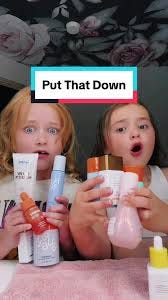
Kids are very susceptible to trending items. When I was younger I just had to own every Moshi Monster or latest school bag/pencil case. But now social media is so popular and accessible, it is even more powerful. People forget that it is not normal to own a million products, nor is it common to have a 5 step+ skincare “routine” of cleanser, toner, exfoliation, essence, retinol, moisturiser, eye cream.
Retinol, a form of vitamin A, is used in some products to treat ageing or acne scarring, and these products are being shown to kids as something that’s necessary. Well, perhaps not directly, but what kid thinks “ah, yes, wrinkles I’ll take 3 please”. They will buy these things to avoid the inevitable, only to worsen their younger skin in the first place. Haircare is equally bad, with hair oils promising instant hair growth when in fact it clogs roots and causes dandruff. People buy a million things, realise they don’t work like the internet lady said, and throw it away.
The equivalent is buying five coffee machines because they all have different benefits, rather than buying one multipurpose unit; or 4 sofas because they’re all different types of comfy.
With product placement so conspicuous, it is difficult for users to filter out content. It is even harder for children to comprehend what is needed or not. Sometimes you just want to scream, “You are 10 years old, you do not need 5 retinol serums!” Or, “That £45 Stanley flask is so ugly and the straw will be mouldy in a few months”.

Ultimately, there is no stopping online trends, but what would make a difference for the mind and planet would be clearer guidelines for content surrounding paid promotion. Let your young friends or family know that no amount of clothes or cosmetics will make them happy, nor are they worth breaking the bank over! Break the brain-rot.